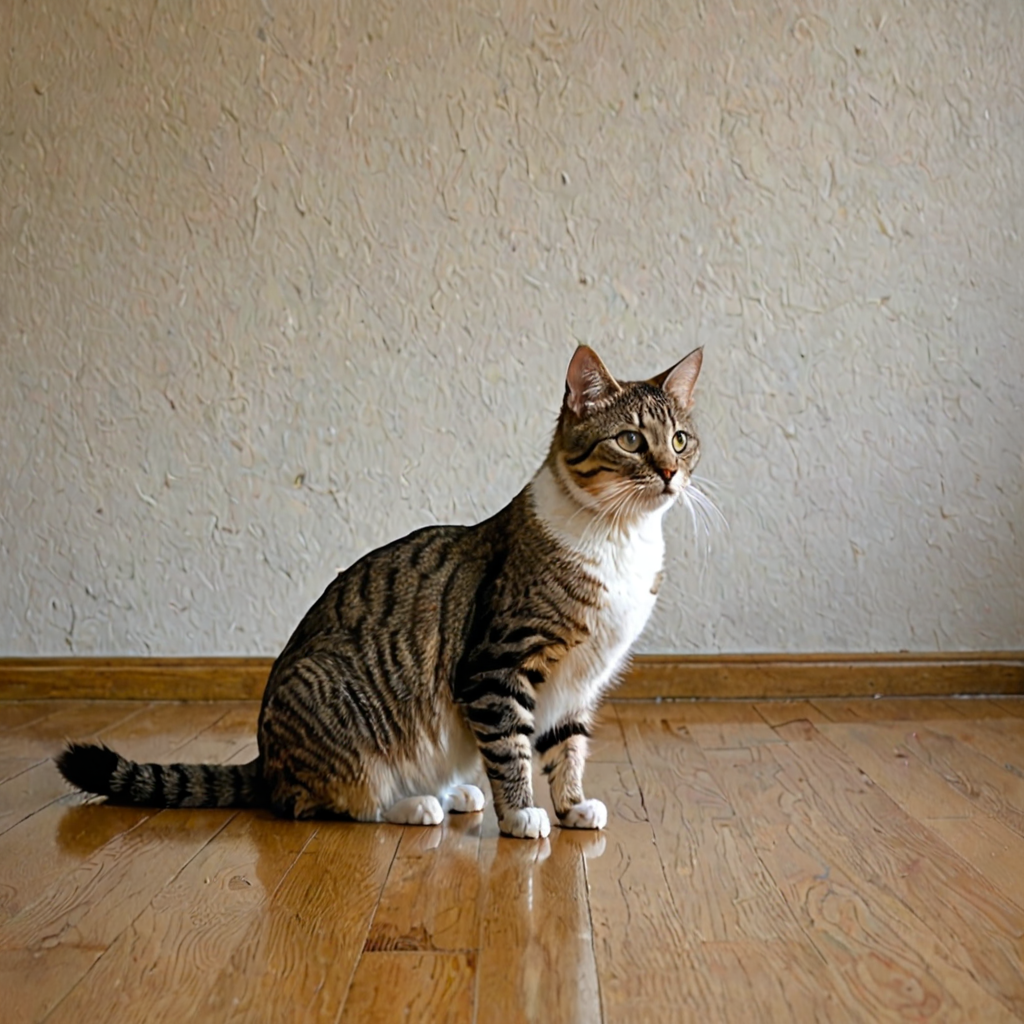
The emotion, provisionally categorized as Aura Temporalis, appears to be a localized, non-linear sensory output unique to mammalian subjects of the genus Felis when exposed to prolonged periods of domestic quietude. It is not a sound or a scent, but a measurable distortion of ambient light and particulate matter. When the subject, typically a housecat, enters a state of acute Aura Temporalis, the immediate area surrounding its hindquarters—approximately a one-meter radius—becomes subject to temporal drag. Dust motes, previously suspended in normal Brownian motion, do not drift but appear to hang, suspended in a crystalline lattice. The air itself acquires a visual density, resembling highly viscous oil, yet without the associated resistance. Objects within the field, such as a throw cushion or a wooden floorboard, appear momentarily out of phase with the surrounding reality; their edges blur into a series of faint, rapidly oscillating ghost images, giving the impression that the pet is standing not in the living room, but between moments of it. The effect is purely visual and localized, requiring no external stimulus beyond the pet’s internal emotional state.
static · calm