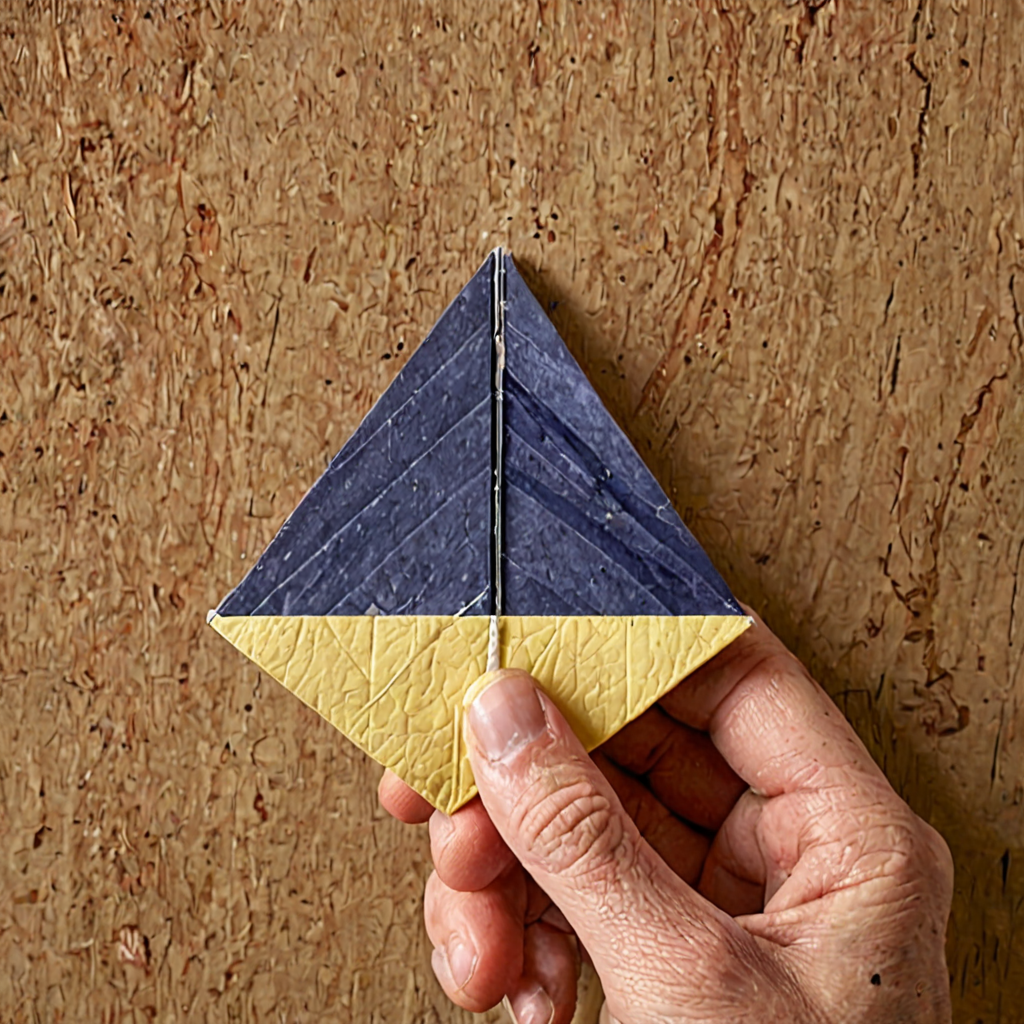
Step 1: Begin with the primary sheet, ensuring the central axis runs perpendicular to the anticipated length of the matchbox. The soul, when unfurled, will resist this initial fold; treat it like heavy, damp silk. Step 2: Locate the major fold lines—these correspond roughly to the points of habitual regret and unspent potential. Using a bone folder (or a clean thumbnail, if necessary), begin the first quarter-fold. As the material is pressed, the initial crease will emit a faint, iridescent ochre, like the underside of a beetle's wing, accompanied by the dry, papery scent of old cedar. Step 3: Fold the resulting trapezoid inward, creating the first pocket. This fold is more delicate. The material here is taut and resistant, emitting a faint, milky lavender smoke that smells faintly of ozone and distant rain. Handle this section with minimal pressure. Step 4: Execute the final compression fold. This requires folding the remaining material into the pocket created in Step 3. The final, critical crease will not be a single color, but a gradient: a deep, velvety indigo that bleeds into a shocking, almost painful yellow-green at the fold's apex. The texture of this crease should feel like polished, cool bone. Step 5: Once the structure is stable and compact, the resulting object should fit snugly within the dimensions of a standard matchbox, leaving no excess material. Do not force it.
crease · uneasy